
Auto Glass Replacement for Chipped or Shattered Windscreen: A Complete Guide
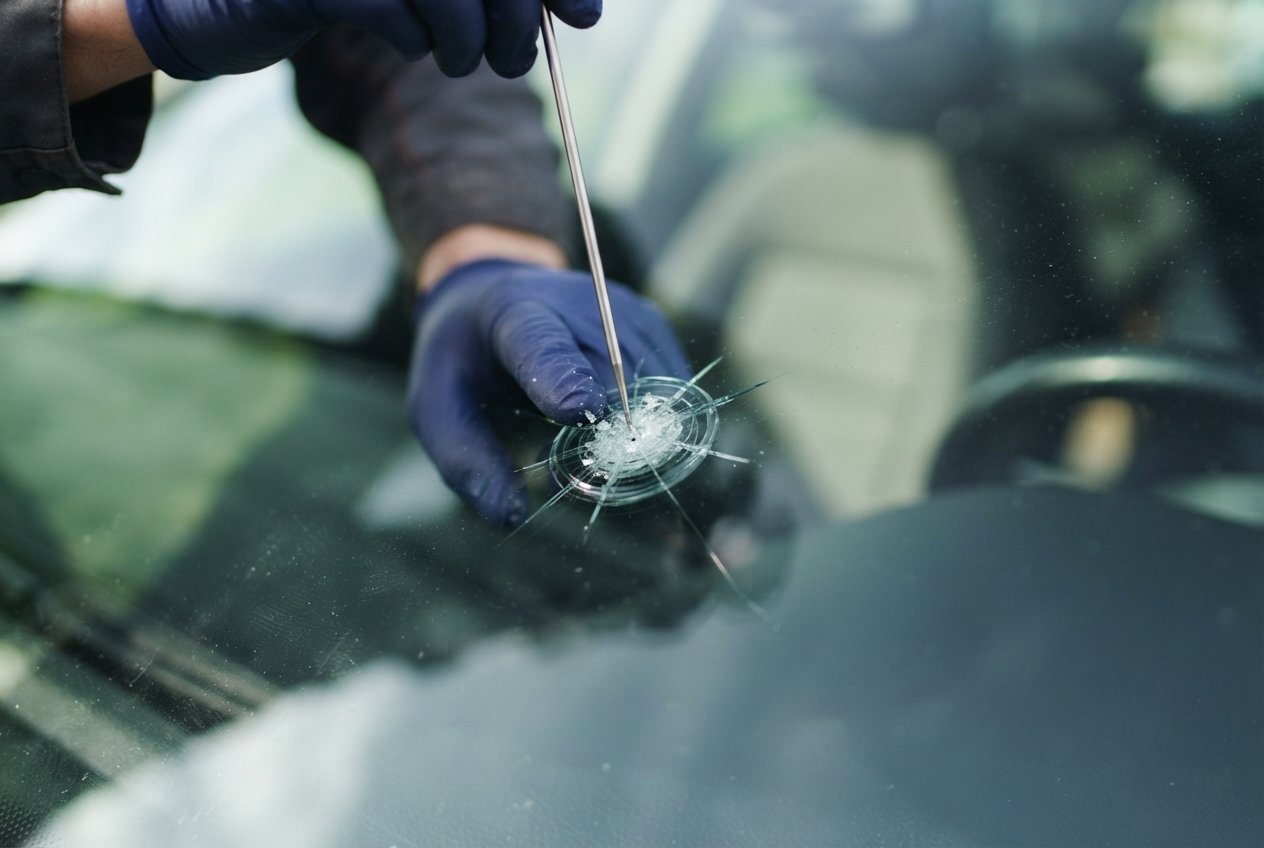
Imagine driving down a picturesque winding road when suddenly, out of nowhere, a tiny stone catapults towards your windscreen, leaving an ominous chip in its wake. It’s a scenario most drivers can relate to—one moment, everything is fine, and the next, your vision is marred by a glaring imperfection. But what happens when that small chip spreads like a spider web across your windshield, or worse, it shatters altogether? The answer lies in understanding the process of auto glass replacement for chipped or shattered windscreens, an essential skill for every vehicle owner.
Auto glass issues are not merely aesthetic concerns; they pose significant safety risks. A compromised windscreen can impair your view and weaken the vehicle’s structural integrity, yet many drivers delay addressing such problems. This guide aims to demystify the replacement process, ensuring you’re equipped with the knowledge to handle any situation with confidence. From choosing the right glass to finding skilled technicians, we’ll walk you through each step so that a chip or crack doesn’t turn your drive into a hazardous journey.
Understanding the Importance of Prompt Auto Glass Replacement
Your vehicle’s windscreen is more than just a transparent barrier against wind and debris; it contributes crucially to structural support and occupant safety. In the event of a collision or rollover, a tempered or laminated windshield helps distribute impact forces evenly, preventing the cabin from collapsing. When a chip progresses into a sizeable crack, it compromises the glass’s strength, increasing the likelihood of shattering under stress. Prompt action not only restores structural stability but also helps maintain the efficacy of airbags, which rely on a properly seated windscreen to deploy correctly.
Beyond safety, addressing chips and cracks promptly can save you money and fuss down the line. Small chips are often repairable, preserving your original glass and avoiding full replacement costs. Ignoring them allows moisture, dirt, and temperature fluctuations to infiltrate the damage, making a straightforward repair impossible and forcing a costly replacement. Furthermore, localized repairs can usually be completed in under an hour, minimizing downtime. Recognizing the importance of timely auto glass replacement for chipped or shattered windscreen issues helps protect your wallet, ensures road safety, and gives you peace of mind every time you hit the road.
Signs of Windscreen Damage: When to Take Action

Identifying early warning signs can make the difference between a quick repair job and a full replacement. The first indication is often a small chip—typically caused by road debris—measuring less than a quarter. These chips may seem harmless initially, but they can quickly expand under thermal stress or impact. You might also notice hairline cracks that appear suddenly or long stress lines that evolve gradually. Even minor damage should prompt an inspection, as hidden internal delamination can compromise glass strength.
Besides physical cracks and chips, pay attention to visual distortions. If you notice wavy lines or cloudy spots obstructing your view, it may indicate lamination separation between glass layers. This defect can scatter windshield-wiper fluid and dirt, creating glare or blind spots in bright sunlight or nighttime driving. Any form of glass damage demands immediate attention—delaying increases safety risks and repair complexity. By understanding these telltale signs, you can ensure that auto glass replacement for chipped or shattered windscreen issues is handled before they escalate into more hazardous and expensive problems.
Types of Auto Glass Damage: Chips vs. Cracks

When assessing windscreen damage, distinguishing between chips and cracks is essential because each type dictates the appropriate remedy. A chip—commonly known as a pit—is often a small indentation caused by flying stones or debris. Though tiny, chips can harbor moisture and dirt, exacerbating the damage. If caught early, many pit repairs are straightforward and cost-effective. However, ignoring these initial flaws can lead to more extensive cracking.
In contrast, cracks are linear breaks in the glass surface. They can run longitudinally across the width of the windshield or form star-shaped patterns emanating from an impact point. Cracks longer than three inches generally require full windshield replacement, as repair kits and resins cannot guarantee adequate structural integrity over such spans. Recognizing the difference between chips and cracks—and understanding how each can spread under stress—enables drivers to pursue the most suitable, timely solution.
DIY Temporary Fixes for Minor Windscreen Chips
When you’re on the road and can’t immediately access professional services, some temporary fixes can slow the progression of a minor chip. The primary goal is to prevent moisture and debris from entering the damaged area. One common stopgap involves using clear, weather-resistant tape over the chip. Cleaning the surface gently with a microfiber cloth before applying tape ensures a secure seal, reducing the likelihood of dirt infiltration.
Another short-term measure is a windshield repair kit—available at most auto parts stores—which typically includes a syringe-mounted resin. By injecting resin into the pit and curing it with sunlight or a UV lamp, you can stabilize the chip until you can arrange a professional repair. Keep in mind these DIY methods are not substitutes for certified glass repair. They’re merely damage-control tactics to minimize crack propagation until you can schedule an “auto glass replacement for chipped or shattered windscreen” with a qualified technician.
Choosing the Right Auto Glass Replacement Service Provider
Selecting a reputable service provider is crucial for a durable, safe windshield replacement. Start by checking for certification—organizations like the Auto Glass Safety Council (AGSC) accredit technicians who meet strict training and quality standards. Certified installers understand the nuances of proper adhesive application, glass alignment, and curing times, ensuring your new windshield performs to factory specifications.
Beyond credentials, consider a shop’s customer reviews and warranty offerings. A trustworthy provider will guarantee their workmanship, often offering a lifetime leak-proof and drive-away warranty. This coverage means that if issues arise—such as wind noise or leaks—you can return for adjustments at no extra cost. Compare quotes from multiple vendors, but don’t base your decision solely on price. The cheapest option may cut corners on materials or installation processes. Investing in a reliable auto glass replacement for chipped or shattered windscreen ensures long-term safety and peace of mind.
Exploring Different Types of Auto Glass Options
Modern vehicles use various glass types to balance strength, clarity, and safety. Laminated windshields—standard in most cars—consist of two glass layers bonded with a polyvinyl butyral (PVB) interlayer. In the event of impact, the interlayer holds glass fragments together, preventing shattering and preserving cabin integrity. For side and rear windows, tempered glass is common; it shatters into small pebble-like pieces under severe stress, minimizing sharp injuries.
When choosing replacement glass, OEM (Original Equipment Manufacturer) options mirror the exact specifications of your factory windshield, guaranteeing perfect fit and optical clarity. Aftermarket glass, while typically more affordable, may vary slightly in thickness and tint. High-end alternatives include acoustic glass, which features thicker PVB layers to reduce road noise. Discuss your priorities—budget, noise reduction, or advanced coatings like hydrophobic treatments—with your provider to select the best auto glass replacement for chipped or shattered windscreen needs.
The Auto Glass Replacement Process Explained
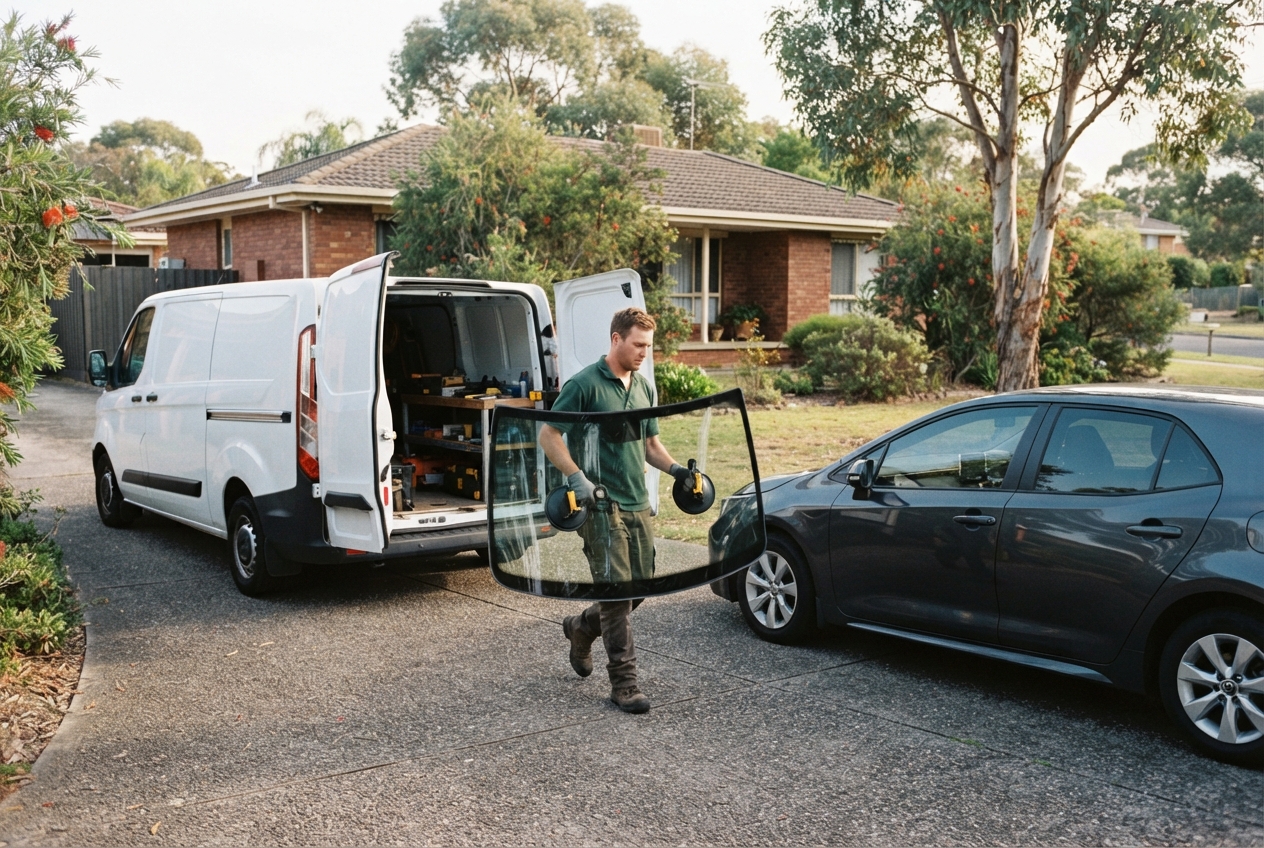
A professional replacement follows a precise sequence to ensure safety and durability. First, the technician removes any wipers, trim, and moldings obstructing the windshield. The old glass is carefully cut away using specialized tools, leaving the pinchweld frame exposed. Technicians then clean and prepare the bonding surface, removing rust and debris to promote optimal adhesive adhesion.
Next, a high-strength urethane adhesive is applied evenly around the frame. The new windshield is carefully positioned, using guide pins or suction cups to align it precisely. Manufacturers specify a “safe drive-away time,” often between 60 minutes to several hours, during which the adhesive cures to a solid bond. Finally, trim and wipers are reinstalled, and the installer inspects the seal for leaks and proper fit. This meticulous process ensures that your auto glass replacement for chipped or shattered windscreen restores both safety and aesthetics.
Cost Considerations: Budgeting for Auto Glass Replacement
Several factors influence the total cost of a windshield replacement: the make and model of your vehicle, the type of glass selected (OEM vs. aftermarket), and whether advanced features—like rain sensors or heads-up display projectors—are integrated into the glass. Windscreen replacement with Aussie AutoGlass starts from $330, depending on your vehicle (see our windscreen cost guide). Any insurance excess depends on your individual policy, so it’s worth checking your policy documents or asking your insurer. Many insurers provide preferred vendor networks offering discounted rates and hassle-free billing. However, filing a claim may affect future premiums, so compare repair versus replacement costs against your deductible. Don’t forget to factor in hidden expenses, such as mobile service fees if you need on-site replacement. By understanding the breakdown of costs, you can budget accurately for an essential auto glass replacement for chipped or shattered windscreen without surprises.
Maintaining Your New Windscreen: Dos and Don’ts
After investing in a new windshield, proper care will prolong its lifespan and performance. Do allow the adhesive cure time specified by your installer—driving too soon can misalign the glass or weaken the bond. Use gentle, non-abrasive cleaners to remove dirt and grime; harsh chemicals can degrade sealants or coatings. Inspect the edges periodically for any sign of separation or leaks, especially after temperature extremes or off-road excursions.
Don’t slam doors excessively or subject your vehicle to sudden temperature changes—such as hosing down a hot windshield—which can stress the new glass and adhesives. Avoid parking under trees or in areas where falling branches or hail can inflict damage. If you notice minor chips or dings, address them immediately to prevent crack propagation. By following these simple Dos and Don’ts, you’ll protect your investment and maintain clear, safe visibility for countless miles.
Conclusion: Ensuring Safety Through Timely Auto Glass Replacement
Auto glass replacement for chipped or shattered windscreen is more than a cosmetic fix—it’s a vital step in preserving your vehicle’s safety and structural integrity. By recognizing damage early, choosing qualified installers, and selecting the appropriate glass type, you can navigate the replacement process with confidence. Prompt attention not only safeguards your vision on the road but also maintains the performance of safety systems like airbags.
Whether you opt for an OEM or aftermarket windshield, budgeting wisely and adhering to proper maintenance practices will ensure long-lasting results. Don’t underestimate the importance of a flawless windscreen—it’s your first line of defense against road hazards. Take action at the first sign of damage, and keep your drives safe and stress-free.