
Aussie Windscreen Suppliers vs Imported Glass: Discover the Better Choice
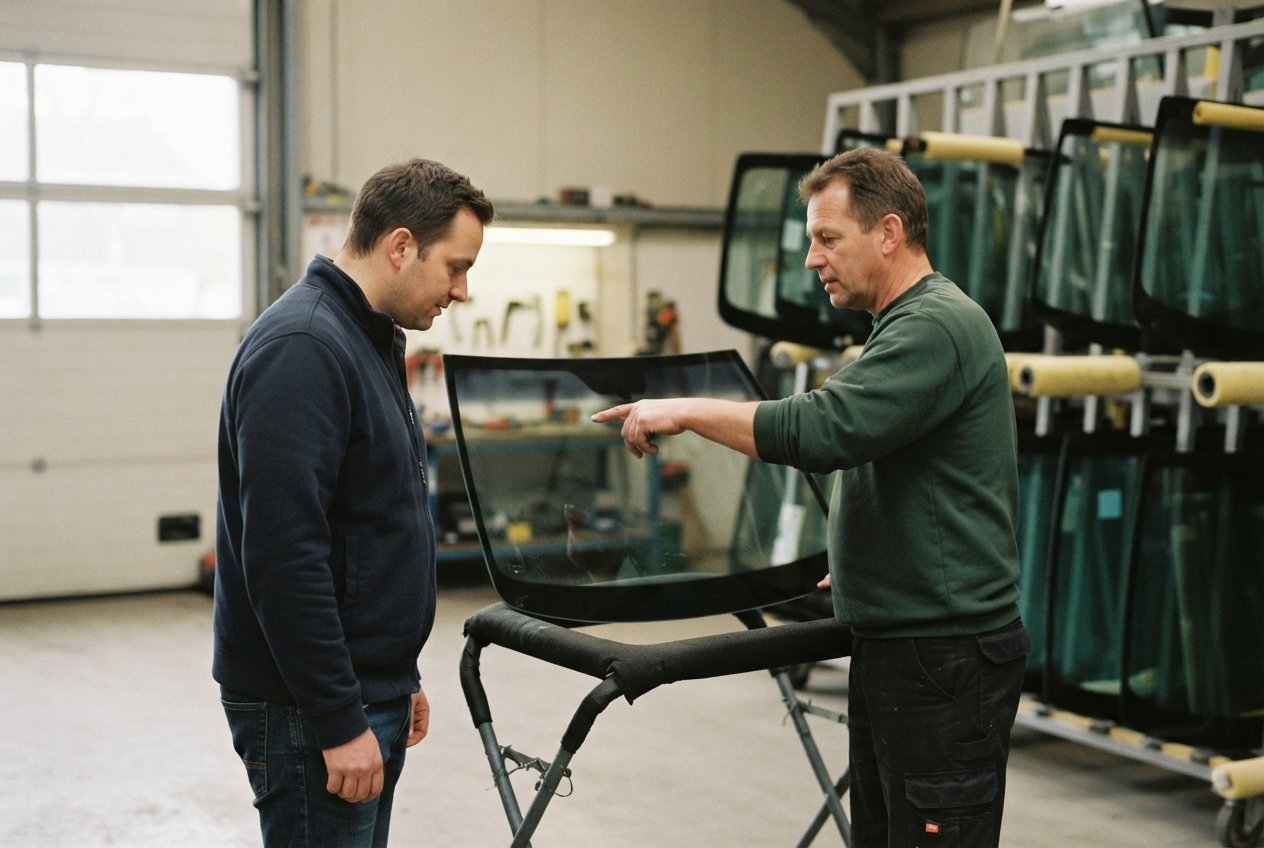
Imagine cruising down a sunlit Australian highway, the vast landscape unfurling before you when suddenly a rogue pebble catapults towards your windscreen, leaving a nasty crack in its wake. This scenario is all too familiar for many drivers, igniting a crucial debate: should you rely on local craftsmanship or the allure of international imports to replace that damaged glass? As vehicle owners increasingly face this dilemma, the question of superiority between Australian windscreen suppliers vs imported glass has become more pertinent than ever.
Australia boasts a rich legacy of manufacturing excellence, with local suppliers offering products tailored specifically for resilient performance against the country’s unique climate and road conditions. While imported glass can be tempting due to its often lower price point and varied availability, it begs the question: Can it truly match the quality and durability provided by products crafted on home soil? In this blog post, we delve into the intricacies of both options, exploring the benefits and potential drawbacks, and ultimately helping you make an informed choice the next time your windscreen needs replacing.
Quality and Craftsmanship of Aussie Windscreen Suppliers
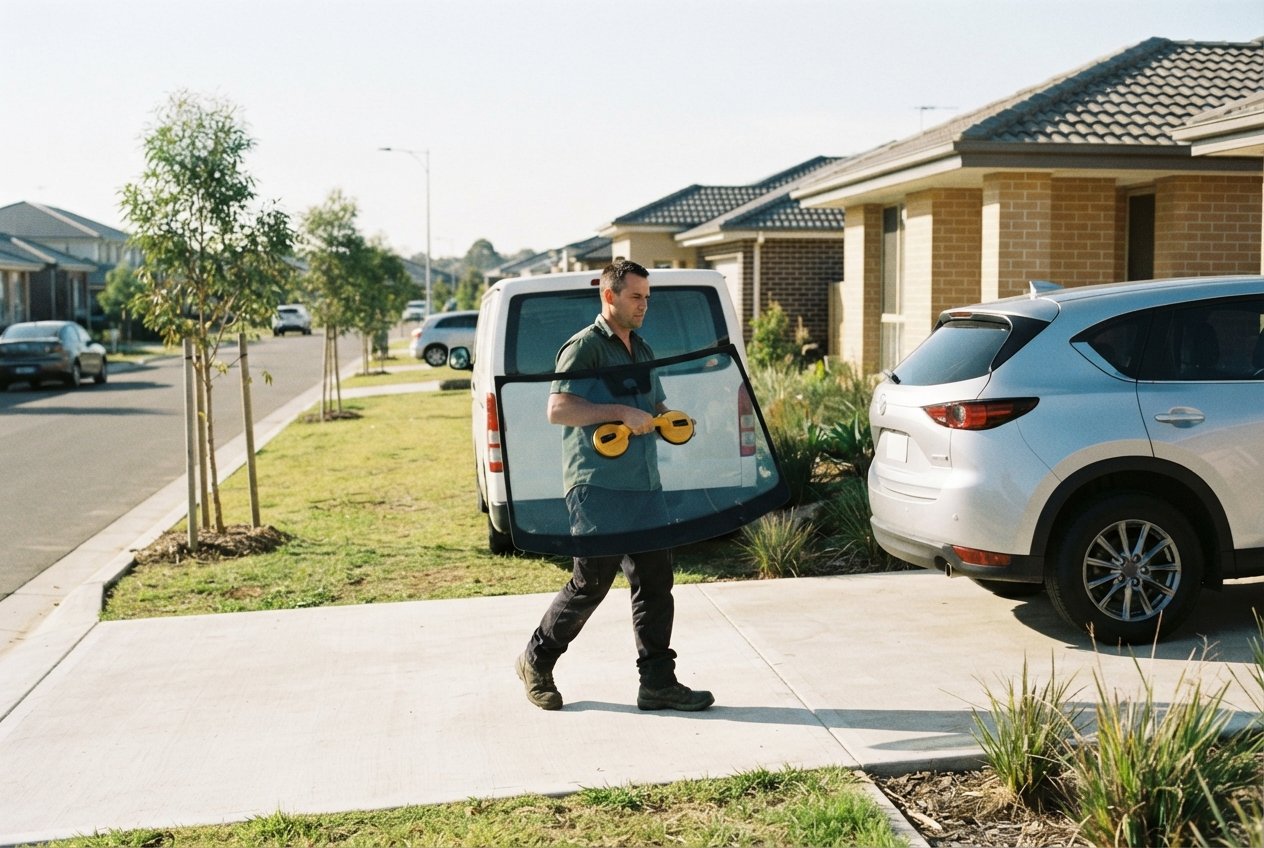
Australian windscreen suppliers pride themselves on adhering to stringent quality standards established by federal and state regulatory bodies. From the selection of raw materials to the final inspection of the laminated glass, every step is monitored under rigorous quality control protocols. Local manufacturers often source their silica and bonding agents from trusted domestic vendors, ensuring consistency in optical clarity, structural integrity, and heat resistance. Technicians performing the installations are typically factory-trained with accredited certifications, meaning that each replacement or repair aligns with original equipment manufacturer (OEM) specifications. Customers benefit from precise fitment, correct sensor calibration, and optimal sealing, which reduces the likelihood of leaks or wind noise.
Craftsmanship extends beyond mere compliance with standards. Many Aussie suppliers invest in advanced production technologies such as computerized cut-to-size machinery, automated tempering systems, and ultraviolet (UV)-curing adhesives tailored to local climatic stresses. These innovations guarantee uniform lamination, even under extreme temperature fluctuations. Additionally, domestic manufacturers often incorporate specialized coatings—anti-glare, hydrophobic, or acoustic dampening—customized to address Australia’s notorious heat, dust, and road noise. By choosing a local supplier, you support a supply chain that consistently reinvests in research and development to refine product performance and enhance driver safety.
Durability in Australian Climate and Road Conditions
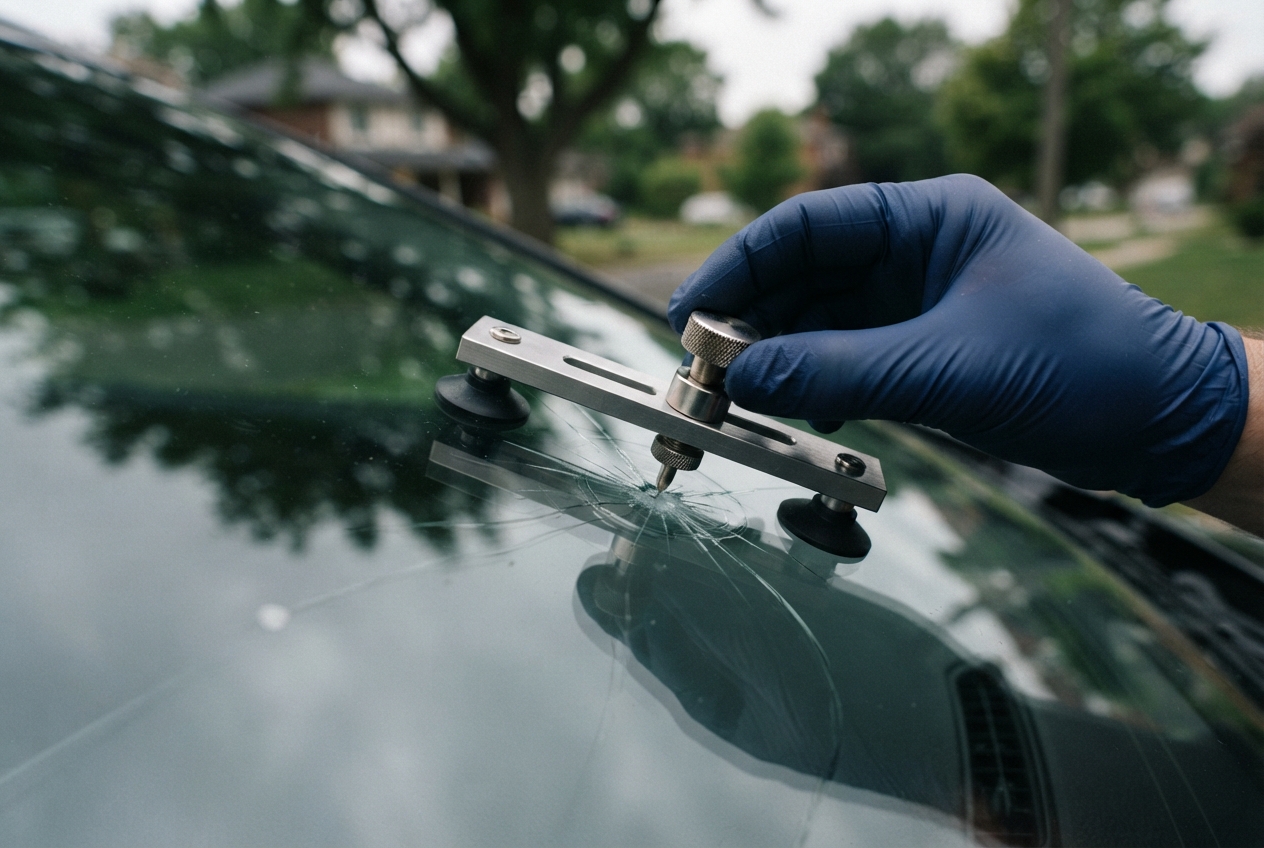
Australia’s expansive roads expose windscreens to harsh UV radiation, extreme heat, and abrasive debris. Aussie suppliers recognize these unique challenges and formulate laminated glass to withstand thermal cycling—from scorching daytime highs to cooler nights—without developing stress fractures. Materials are tested under accelerated weathering conditions that mimic years of sun exposure in weeks, ensuring that glass retains its clarity and structural integrity over time.
Local craftsmanship also addresses the constant threat of stone chips and gravel strikes. Suppliers reinforce glass edges, apply impact-resistant laminates, and optimize thickness profiles to reduce the probability of crack propagation. Installation techniques such as two-part polyurethane adhesives are selected for their flexibility and strong bond, allowing the glass to flex with the vehicle’s chassis on uneven terrain. This tailored approach to durability ensures that windscreens sourced from local manufacturers remain safe and reliable, even when navigating Australia’s challenging outback highways.
Local Manufacturing Excellence

Australia’s windscreen production capabilities are underpinned by decades of industry expertise and a robust manufacturing infrastructure. Local facilities maintain vertically integrated operations, controlling everything from raw material sourcing to final quality inspections, which streamlines lead times and reduces the risk of supply chain disruptions. This degree of oversight ensures regulatory compliance with Australian Design Rules (ADR) and International Organization for Standardization (ISO) certifications, affording consumers peace of mind regarding safety and performance.
In addition to regulatory adherence, local manufacturers invest heavily in workforce training and continuous improvement initiatives. Collaborative partnerships with automotive OEMs and research institutions foster a culture of innovation, driving improvements in glass chemistries, lamination techniques, and environmental controls within factories. By buying from domestic producers, vehicle owners not only receive products designed specifically for local needs but also support Australian jobs and technological advancement in the automotive glass sector.
Availability and Accessibility of Imported Glass
Imported windscreens often attract attention for their competitive pricing and extensive variety. From large-volume importers, a wide range of glass types—OEM replicas, universal fitment options, and budget alternatives—are typically available. These products are shipped from manufacturing hubs in Asia, Europe, or North America, offering choices in thickness, coatings, and installation accessories. For some consumers, immediate access to a broad inventory without the need for local manufacturing lead times can be appealing.
However, accessibility does not always translate into dependable supply. Import logistics are subject to international shipping schedules, customs clearance, and fluctuating freight costs. Delays at ports or changing tariffs can extend wait times, leaving drivers stranded without a timely replacement. Additionally, quality consistency can vary significantly among overseas producers; while some imported windscreens meet stringent global standards, others may skimp on material purity, lamination quality, or adhesive compatibility, potentially compromising safety and longevity.
Price Comparison: Aussie Windscreen Suppliers vs Imported Glass
When evaluating costs, it’s essential to look beyond the sticker price. Imported glass may initially appear cheaper, but transportation, duties, and middleman markups can inflate overall expenses. Domestic suppliers, by contrast, benefit from shorter supply chains, reduced freight outlays, and lower import levies, enabling them to offer competitive pricing while maintaining high production standards. For example, a locally manufactured OEM-equivalent windscreen replacement might cost only marginally more than a low-grade imported alternative, yet deliver superior performance and durability over its lifespan.
Moreover, installation charges vary based on material compatibility and technician expertise. Aussie windscreens, designed for seamless integration, often require less time and fewer ancillary parts during installation, reducing labor costs. Imported glass, if mismatched or dimensionally inconsistent, can necessitate additional trimming, specialized sealants, or extra handling—driving service fees upward. When factoring in long-term maintenance and potential rework from substandard imports, the total cost of ownership can tip the balance in favor of local suppliers.
Customization Options: Aussie Suppliers vs Imported Glass
Local windscreen manufacturers excel in offering bespoke solutions tailored to modern vehicle technology. Whether your car features integrated rain sensors, heads-up display (HUD) projections, or advanced driver-assistance systems (ADAS), Aussie suppliers can provide pre-calibrated, pre-cut glass equipped with the correct mounting points, sensor housings, and optical coatings. This precision reduces installation errors and ensures seamless function of safety systems.
Imported windscreens may advertise compatibility, but achieving perfect alignment with cameras, sensors, and heating elements often requires additional modifications. Generic fitment options can lack pre-applied frits (the black ceramic border), sensor platforms, or correct curvature calibration, forcing installers to manually adapt features. While these aftermarket adjustments can save on upfront cost, they carry risk of improper sensor function, reduced visibility, or rapid adhesive degradation in Australia’s climate.
Warranty and After-Sales Service
One of the most compelling advantages of choosing Aussie windscreen suppliers is the robust warranty coverage and accessible after-sales support. Local manufacturers typically back their products with multi-year warranties against manufacturing defects, delamination, and adhesive failure. Should an issue arise, replacement or repair services are coordinated seamlessly through accredited service networks, minimizing downtime and out-of-pocket expenses.
Imported glass warranties can vary widely. Some brands outsource claims handling to local distributors or third-party agents, complicating the resolution process. Return shipping of defective panes back to overseas facilities may incur significant delays and costs. In contrast, local suppliers maintain domestic stock reserves and dedicated customer service teams, enabling rapid response times and transparent claim procedures—key factors when safety and roadworthiness are on the line.
Environmental Impact: Local vs Imported Glass
The environmental footprint of windscreen production and delivery is an increasingly important consideration. Local manufacturing reduces transport distances, cutting greenhouse gas emissions associated with freight. Many Aussie suppliers also integrate recycled glass content into their products and implement closed-loop water systems in tempering processes to minimize waste and conserve resources. As a result, the carbon intensity per square meter of laminated glass is substantially lower compared to long-haul imports.
Imported windscreens often travel thousands of kilometers by sea and road, generating significant emissions before ever reaching the workshop. Packaging materials and customs inspections add further environmental burdens. While some global manufacturers adhere to sustainable practices, the lack of local oversight can make it challenging to verify supply chain transparency. Opting for Australian-made glass supports regional circular economy initiatives and demonstrates a commitment to reducing the automotive sector’s overall environmental impact.
Customer Reviews and Satisfaction
Real-world feedback offers invaluable insights when comparing Australian windscreen suppliers vs imported glass. Many drivers praise local providers for prompt service, perfect fitment, and enduring clarity in harsh sun and dust. Online testimonials frequently highlight the professionalism of accredited installers and the peace of mind derived from comprehensive warranties. Customers also report that sensor-equipped windscreens function flawlessly post-installation, reflecting meticulous quality control.
Conversely, reviews of imported glass often mention mixed experiences. While some users appreciate lower costs, others recount issues such as uneven lamination, stray air bubbles, or poor adhesive bonding leading to leaks. Compatibility problems with ADAS and heating elements also surface in consumer forums. These anecdotal reports underscore the variability inherent in imported products and the value of transparent, locally backed service when it comes to critical safety components.
Making an Informed Decision
Weighing the pros and cons of Australian windscreen suppliers vs imported glass: What’s better? depends on your priorities—be it upfront savings, guaranteed quality, or seamless integration with advanced vehicle features. If you value precision fitment, tailored durability for Australian conditions, and responsive after-sales support, a local supplier is likely the superior choice. The total cost of ownership, inclusive of installation accuracy and long-term performance, often favors domestically produced windscreen solutions.
However, if budget constraints and immediate availability are paramount, an imported option may suffice. Always verify the manufacturer’s credentials, inspect lamination quality, and confirm compatibility with your car’s sensor package. By researching warranty terms, reviewing customer feedback, and consulting accredited installers, you can strike the right balance between cost efficiency and safety—ensuring your next windscreen replacement offers both peace of mind and on-road reliability.
Conclusion
Choosing between Australian windscreen suppliers and imported glass involves more than just comparing price tags. Local manufacturers deliver tailored durability, strict quality control, and comprehensive support designed for Australia’s unique environment. Though imports may appeal with lower sticker prices and wide selection, hidden costs and inconsistent performance can diminish their value over time.
Ultimately, the smart choice hinges on balancing budgetary concerns with safety and reliability. By prioritizing certified local suppliers, you invest in a product that meets rigorous standards, enhances driving comfort, and offers peace of mind against future damage or sensor malfunctions.